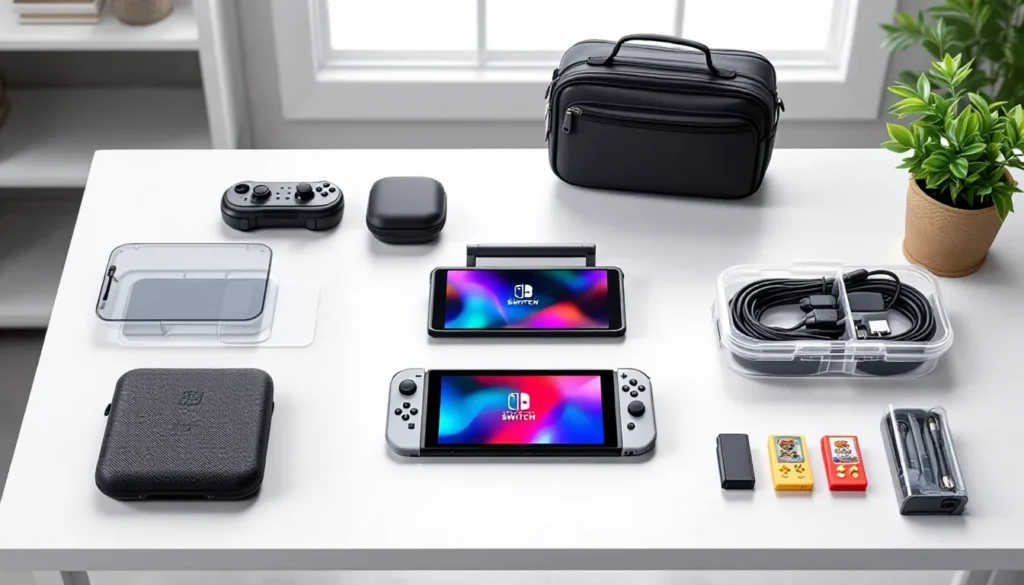
The Nintendo Switch OLED has become one of gaming‘s most prized portables since its 2021 launch, and for good reason, that vibrant screen is stunning. But a console that beautiful deserves protection. The difference between a scratched, beat-up Switch OLED and one that looks fresh out of the box often comes down to a single decision: choosing the right case. Whether you’re throwing it in a backpack for tournament season, keeping it on your nightstand, or tossing it in a travel bag, the wrong case can mean screen damage, dents, or worse. This guide breaks down everything you need to know to find the perfect Nintendo Switch OLED case for your setup, including what features actually matter, the different styles available, and how to match a case to your specific gaming lifestyle.
Key Takeaways
- A quality Nintendo Switch OLED case is essential protection for your $350 investment, defending against drops, dust, and screen damage that could cost $100+ in repairs.
- Hard shell cases offer maximum impact protection for travelers and competitive gamers, while soft silicone cases prioritize portability and comfort for casual home use.
- Hybrid cases represent the best value for most gamers, combining the durability of hard shells with the portability of soft cases at a mid-range price ($25-35).
- Key features to prioritize include 1-3mm interior foam padding, shoulder straps for weight distribution, weather-resistant zippers, and dedicated compartments that prevent console movement during transit.
- Avoid common mistakes like choosing style over protection, buying the cheapest option available, or selecting cases not specifically designed for the Switch OLED model, which is larger than previous generations.
- Premium cases ($40+) justify their cost through superior materials, better structural integrity over years of use, and thoughtful design features like modular compartments and removable straps.
Why You Need a Quality Switch OLED Case
Your Nintendo Switch OLED isn’t just another gaming device, it’s a $350 investment that you’re likely carrying around. Unlike a console bolted to your entertainment center, the OLED model is designed for portability, which means it’s exposed to real-world hazards: drops, bumps, pressure from being packed into bags, dust, and accidental spills. The 7-inch OLED screen is gorgeous but also vulnerable. A single screen protector can save you $100 in repair costs, but a case is your first line of defense.
A quality Switch OLED case does more than look good, it absorbs impact, keeps dust and debris away from your device, and often includes features like screen protection and accessible button designs so your gaming never feels compromised. Gamers who’ve invested in premium titles, built up save files across hundreds of hours, or have a dedicated gaming setup aren’t willing to risk hardware failure. The right case keeps your console running smoothly and looking pristine, whether you’re a casual player or someone racking up competitive hours.
Key Features to Look for in a Switch OLED Case
Not all Switch OLED cases are created equal, and knowing what separates a solid case from a mediocre one is crucial before you buy. The best cases combine protection, portability, and thoughtful design.
Protection and Durability Materials
The material your case is made from directly impacts how well it protects your Switch OLED. Hard shell cases use rigid polycarbonate or similar plastics that absorb direct impact, think of them as armor. They’re built to withstand drops and pressure without deforming. Soft silicone cases flex on impact and are lighter, but offer less rigidity if something heavy lands on your console. Hybrid cases attempt to combine both: hard outer shells with soft inner padding.
When evaluating durability, check the corner and edge padding. These areas take the most punishment in real-world use. Cases that wrap all the way around the console, rather than just covering the back, offer superior protection. Look for materials rated for drop protection, many manufacturers test their cases from 3-6 feet onto hard surfaces and publish those results.
Design and Portability
How a case feels to carry matters as much as how it protects. A bulky case defeats the purpose of the Switch OLED’s portability. The best cases keep profile compact while still fitting comfortably in a backpack or small carry bag. Strap design is critical: shoulder straps distribute weight better than handles alone, and quality zippers or closures prevent your console from sliding around inside the bag.
Think about access points too. Can you reach your buttons without removing the console? Can you charge it while it’s in the case? Does the case allow dock connectivity without removal? Premium cases let you play while docked without taking the Switch out. These practical details separate cases you’ll actually use from ones that become a hassle.
Screen Protection and Interior Padding
Your OLED screen is the crown jewel, so interior padding is non-negotiable. Look for cases with 1-3mm of foam padding that cradles the console and creates a soft landing zone for the screen. Some premium cases include microfiber lining that mimics what you’d find on a quality eyeglass case, this prevents micro-scratches from dust particles inside.
Built-in or included screen protectors are a bonus, though many gamers apply their own tempered glass protectors first. Cases that accommodate a screen protector without bulk are ideal. The interior should have dedicated compartments for games, cables, or Joy-Cons, keeping everything organized and preventing movement during transit. Pressure points inside the case, areas where padding might compress unevenly, are where damage happens, so look for consistent, firm padding throughout.
Top Case Styles for Nintendo Switch OLED
Nintendo Switch OLED cases fall into distinct categories, each designed for different needs and playstyles.
Hard Shell Cases
Hard shell cases are the heavy hitters of Switch OLED protection. Made from rigid plastics like polycarbonate or EVA (ethylene-vinyl acetate) foam, these cases form a protective shell around your console. They excel at protecting against drops, pressure, and impacts. Popular models in this category include the standard Nintendo Switch Carrying Case Plus, which is officially licensed and offers no-frills, reliable protection.
The trade-off is bulk. Hard cases add noticeable thickness to your Switch OLED, making it less convenient to slip into a standard backpack pocket. But, if you’re packing your console into a larger travel bag or carrying case, that added bulk is worth it for the durability. These cases are ideal for gamers who prioritize protection above all else, especially those traveling via plane or attending tournaments where your console might take some abuse.
Soft Silicone Cases
Soft silicone cases hug your Switch OLED with a flexible, rubber-like material. They’re thinner and lighter than hard shells, preserving the console’s portability while offering basic bump and scratch protection. They won’t protect against major drops or crushing pressure the way hard shells do, but they’re perfect for everyday carry and casual transport.
These cases often include Joy-Con grip enhancements and ergonomic designs that make handheld play more comfortable during extended gaming sessions. Some include thumb stick protectors to reduce drift risk. The downside is durability, silicone can wear, tear, or become sticky over time. They’re also less effective against punctures or sharp impacts. Soft cases are ideal for gamers who aren’t traveling long distances and primarily use their Switch OLED at home or locally.
Hybrid Cases
Hybrid cases attempt to marry the best of both worlds: a hard outer shell with soft silicone or foam inner lining. This combination offers solid protection against drops while remaining more portable than full hard shell cases. The outer shell absorbs impact, and the inner padding protects the screen and device body.
Quality hybrid cases are the sweet spot for many gamers. They’re versatile enough for both casual home use and travel, offer genuine protection without excessive bulk, and often include smart design features like removable shoulder straps or modular compartments. These tend to cost more than purely soft or purely hard cases, but the versatility justifies the price for gamers who use their Switch OLED in multiple contexts.
Handheld Travel Cases
If you’re traveling with your Switch OLED, whether by car, plane, or train, dedicated travel cases offer maximum protection and organization. These larger, clamshell-style cases have compartments for games, cables, screen protectors, and other accessories. They’re bulkier and less convenient for everyday carry, but they’re built for serious protection during transport.
Travel cases often include hard exterior shells, weather-resistant zippers, and custom foam inserts. Some feature TSA-approved locks for plane travel or reinforced corners for handling rough baggage claim processes. These cases are essential for competitive players traveling to tournaments or anyone planning extended trips away from home with their Switch OLED.
Premium vs. Budget Options: What’s the Difference?
Budget cases, typically in the $10-20 range, prioritize cost over everything else. They offer basic protection from scratches and minor bumps, come with standard materials, and minimal padding. Budget cases are made with thinner silicone or basic hard plastic, offer limited interior organization, and often feature basic zippers that wear quickly. They’re not bad per se, but they’re designed as temporary solutions.
Mid-range cases ($20-40) represent the best value for most gamers. They use quality materials, include thoughtful design features, offer solid padding, and come with decent zippers and straps. This is where you find most hybrid cases and well-reviewed soft cases. Warranty support is often better, and customer reviews indicate genuine durability over months of use.
Premium cases ($40-80+) are for gamers who want the absolute best. These cases use premium materials like reinforced EVA foam or military-grade polycarbonate, include multiple compartments, feature weather-resistant zippers, and often come with lifetime warranties. Premium cases maintain their structural integrity after years of use, feel good in your hands, and often include extras like detachable shoulder straps, cable organizers, or screen protector slots.
The difference isn’t just material quality, it’s also design philosophy. Premium cases solve problems casual cases ignore. Where a budget case might have loose interior padding that allows movement, premium cases use custom foam that snugly cradles your console. Where a mid-range case might have adequate ventilation, a premium case includes mesh vents that keep your Switch cool while preventing dust infiltration.
For your Nintendo Switch OLED investment, a mid-range case ($25-35) offers the best ROI. You’re not paying for premium brand names or unnecessary features, but you’re avoiding the durability compromises of budget options. If you travel frequently or plan to keep your Switch OLED for 5+ years, stepping up to premium makes sense. Gamers who use their Switch OLED casually and locally can absolutely get away with budget or mid-range options.
How to Choose the Right Case for Your Gaming Style
The perfect case depends entirely on how you use your Switch OLED. Different gaming lifestyles demand different features.
For Mobile Gamers and Travelers
If you’re taking your Switch OLED everywhere, on commutes, road trips, or across the country to competitive events, you need a case that’s portable without sacrificing protection. Hybrid cases are your best bet here. Look for cases with shoulder straps (not just handles), weather-resistant materials, and compact profiles that fit into standard-sized bags.
Priorities: Durability over style, compact size, reliable zippers, and good shoulder strap design. Include at least one compartment for game cartridges separate from the console. A quality travel case in this category protects your investment while keeping it accessible. Gamers who attend tournaments or travel monthly should budget for a premium travel case, this is where the extra money pays dividends through reliability over years of use.
For Home and Casual Players
Casual gamers who play primarily at home or locally don’t need maximum protection. A soft silicone case or basic hard shell is sufficient. These cases are lighter, less expensive, and easier to toss in a standard bag for trips to a friend’s house. Priorities here are comfort (especially if you play handheld frequently), aesthetics, and cost.
Look for soft cases with good button access, ergonomic designs, and fun color options if appearance matters. Built-in Joy-Con holders are a nice touch for casual setups. You don’t need extensive padding or travel-oriented features. A solid soft case in the $15-25 range is more than adequate, leaving budget for actual games instead. Casual gamers who never travel far from home can even consider skipping a full case in favor of a simple sleeve if the Switch stays docked most of the time.
Maintenance Tips for Your Switch OLED Case
A quality case is only effective if you maintain it properly. Here’s how to keep your Switch OLED case in top condition:
Regular Cleaning: Dust accumulates inside cases, especially if they have mesh ventilation. Every 2-4 weeks, remove your Switch OLED and gently wipe down the interior with a soft, lint-free cloth. For exterior cleaning, use a slightly damp cloth, never spray liquid directly into zippers or ventilation holes. Let the case air-dry completely before putting your console back inside.
Zipper Care: Quality zippers are common failure points on cases. Keep zippers clean by gently wiping with a dry cloth. If a zipper becomes stiff, apply a tiny amount of silicone lubricant or graphite powder along the zipper teeth. Never force a stuck zipper, stop, clean, and try again. Replacing zippers is expensive and often requires professional work.
Check Padding Regularly: Over time, interior padding can compress or shift, creating pressure points. Inspect padding annually, especially if you travel frequently. If padding has permanently compressed in one area, it’s less effective at protection. Some premium cases allow you to replace padding sections, but most require full case replacement. This is another reason higher-quality cases matter, they maintain structural integrity longer.
Storage: When not in use, store your case in a cool, dry place. Extreme heat can warp hard shells or degrade adhesives that hold padding. Don’t store cases in direct sunlight for extended periods. Moisture is the enemy, humidity can damage electronics and encourage mold growth in interior padding. If your case gets wet, dry it completely (including interior) before storing your Switch OLED inside.
Replace When Necessary: Even quality cases eventually wear out. If padding is flattening, zippers are breaking repeatedly, or the exterior is cracking, it’s time for a new case. The case has done its job if it’s taken years of use before failing. Don’t wait until your case fails completely to upgrade, a deteriorating case is less protective than you think.
Common Mistakes to Avoid When Selecting a Case
Many gamers make predictable mistakes when shopping for Switch OLED cases. Avoid these pitfalls:
Prioritizing Style Over Protection: Just because a case looks cool doesn’t mean it protects well. Aesthetic cases with minimal padding or flimsy materials are everywhere. Your Switch OLED will be inside the case most of the time, function matters more than whether it matches your aesthetic. Solid protection with a basic design beats a beautiful case that offers minimal protection.
Buying Based Solely on Price: The cheapest case available isn’t a bargain if it fails after three months. Budget cases often fail quickly due to cheap materials, inadequate padding, and poor zipper quality. You’re better off spending $5-10 more upfront for a mid-range case that lasts years. Calculate cost-per-month of use, a $40 case you use for three years is cheaper than a $12 case you replace twice in that same period.
Ignoring Size and Weight: A case that’s too bulky defeats the purpose of owning a portable device. Before buying, look at actual dimensions and compare them to bags you regularly use. Some hard cases are so large they don’t fit in standard backpacks or travel bags. Weight matters too, a case that adds more than 8-10 ounces becomes noticeable when carrying your console daily.
Overlooking Compartment Design: A case with one giant compartment where your Switch OLED rolls around loose is worse than no case. Look for cases with dedicated console slots, game compartments, and cable organizers. This keeps your device stable and accessories organized. Poor compartment design leads to internal damage from movement and makes accessing accessories a hassle.
Not Checking Compatibility: Not all Switch OLED cases work equally. Some cases designed for the original Switch or Switch Lite don’t fit the OLED model properly due to size differences. Always verify the case is specifically designed for Switch OLED (released 2021+). The OLED model is slightly larger than previous generations, and a case designed for an older Switch might be too loose or too tight.
Forgetting About Access Points: Test whether you can charge, dock, or access buttons without removing the console. Some cases have terrible button access or block charging ports. The worst cases force you to remove your Switch OLED every time you want to use a dock, defeating the convenience factor. Premium cases design around these concerns: budget cases often ignore them entirely.
Conclusion
Your Nintendo Switch OLED deserves protection that matches its quality, and the right case makes all the difference between a console that looks brand-new after years of use and one that’s scratched, dented, and showing wear. The best case for you depends on your specific needs, whether you’re a mobile gamer who travels constantly, a casual player who stays local, or a competitive player who treats your console like essential equipment.
Start by identifying your primary use case. Mobile gamers and travelers should invest in premium hybrid or travel cases with excellent shoulder straps and weather resistance. Casual players can get by with affordable soft cases that prioritize comfort and style. Serious competitive gamers need maximum protection, making premium hard shells or high-end hybrids the logical choice.
Within your category, prioritize durability over price and protection over appearance. The mid-range sweet spot ($25-35) offers exceptional value for most gamers, while premium cases ($40+) are worth the investment if you plan to own your Switch OLED for multiple years or use it heavily. Whatever you choose, you’ve made a decision that’ll keep your investment safe and your gaming uninterrupted for thousands of hours to come.