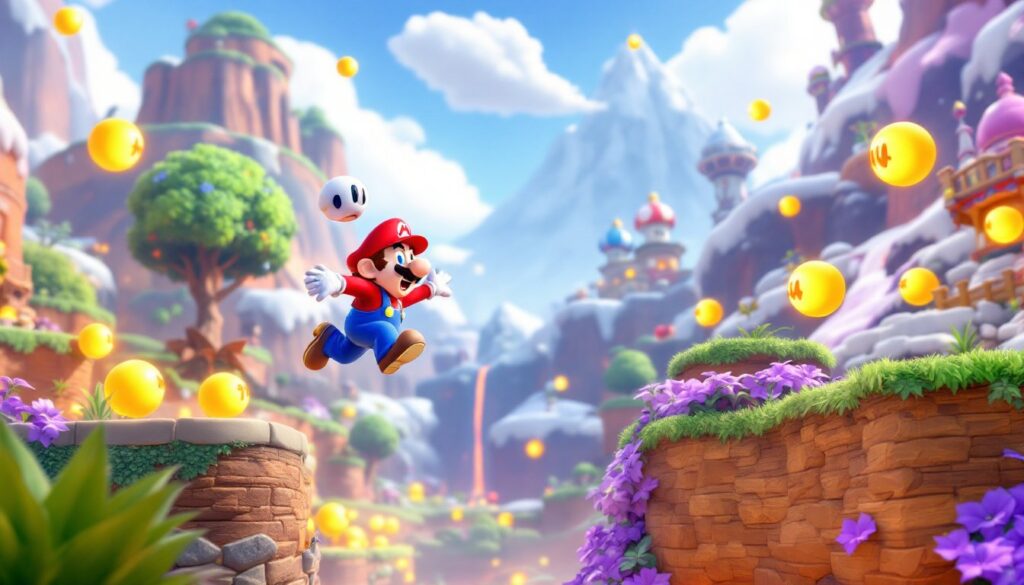
Super Mario Odyssey launched on Nintendo Switch as one of the console’s most celebrated 3D platformers, and nearly a decade later, it remains a defining title for the system. Released in October 2017, the game introduced the Cappy possession mechanic, a revolutionary gameplay system that transformed how players approach platforming challenges and puzzle-solving. Whether you’re a seasoned Mario fan revisiting the adventure or a newcomer discovering why this game earned universal acclaim, understanding the mechanics and secrets hidden across Odyssey’s eight kingdoms is essential to getting the most out of your playthrough. This guide breaks down everything from core mechanics to Power Moon farming strategies, helping you master every aspect of Mario’s globe-trotting adventure.
Key Takeaways
- Super Mario Odyssey’s Cappy possession mechanic fundamentally transforms 3D platforming by allowing players to control enemies and objects with unique abilities, creating fresh and inventive puzzle-solving opportunities throughout the eight kingdoms.
- The game offers over 100 hours of content with approximately 880 Power Moons to collect, rewarding both casual players and completionists without forcing obsessive farming during the 15-25 hour main campaign.
- Mario Odyssey’s design philosophy prioritizes player agency, allowing multiple solution paths for challenges and accommodating speedrunners, completionists, and casual players with equal success.
- Each of the eight kingdoms presents distinct visual themes and mechanical challenges that introduce new enemy types and environmental interactions, keeping the possession mechanic fresh and engaging from start to finish.
- Post-game content including the Darker Side challenge ensures extended playtime with frame-perfect platforming and possession mastery requirements for players pursuing 100% completion.
What Is Super Mario Odyssey?
Super Mario Odyssey is a 3D platformer exclusive to Nintendo Switch that sent Mario on a worldwide adventure to stop Bowser from marrying Princess Peach. The story kicks off with Bowser stealing Peach away on his airship, forcing Mario to pursue him across multiple kingdoms. Unlike traditional linear Mario games, Odyssey embraces exploration and player freedom, rewarding curiosity with hidden collectibles and alternative routes.
The game’s critical hook is Cappy, Mario’s sentient cap companion. Rather than simply being an aesthetic choice, Cappy allows Mario to possess and control enemies and objects, fundamentally changing how you solve environmental puzzles and defeat bosses. This mechanic alone distinguishes Odyssey from other 3D Mario titles like Super Mario 3D All-Stars and creates an entirely fresh playstyle that keeps the campaign engaging from start to finish.
With over 100 hours of content packed into a single playthrough (if you’re hunting every Power Moon), Odyssey delivers exceptional value on Nintendo Switch. The game combines tight controls, inventive level design, and clever boss encounters that appeal equally to speedrunners and completionists.
Game Overview And Core Mechanics
Odyssey’s core loop revolves around exploration, platforming, and possession mechanics across eight distinct kingdoms. Each kingdom features unique themes, environmental challenges, and enemy types that demand different tactical approaches. Movement feels responsive and responsive, with Mario’s jump, roll, and hover dive mechanics forming the foundation of moment-to-moment gameplay.
The power moon system serves as the primary collectible currency. Unlike traditional stars in previous Mario games, Power Moons are scattered throughout kingdoms as both obvious challenges and hidden secrets. Collecting them doesn’t gate progression, you can complete the main story with minimal Power Moon collection, but pursuing them rewards players with new costumes, extended playtime, and access to post-game challenges.
Costume variety adds another layer to the experience. Mario can equip dozens of themed outfits that alter his appearance and, in some cases, provide mechanical benefits. From classic Fire Mario to wedding attire, costumes blend character customization with gameplay rewards.
Mastering the Cappy Possession System
Cappy’s possession mechanic is the beating heart of Odyssey’s design. By throwing Cappy at enemies, objects, or environmental elements, Mario temporarily controls them with their unique abilities. A Goomba becomes a stacking ally, a Bullet Bill becomes a guided projectile, and a T-Rex becomes a charging locomotive. Boss encounters often require switching between Mario and multiple possessed forms to progress.
Timing your possession throws matters significantly. Possessed enemies inherit Mario’s momentum, so throw direction and enemy positioning directly impact success. Most encounters teach you through trial-and-error, but mastering possession leads to faster combat and cleaner platforming sequences. Experienced players leverage possession canceling and mid-air possession to skip sections entirely, though the game accommodates both speedrun-optimized and casual playstyles equally well.
Exploring the Kingdoms
Odyssey’s eight kingdoms, Mushroom, Luncheon, Shivering, Wooded, Darker, Passion, Darker Side, and Moon, each present distinct visual themes and mechanical challenges. The Mushroom Kingdom feels comfortingly familiar, easing players into possession mechanics with straightforward tutorials. Luncheon Kingdom flips the script with lava-filled caverns and food-themed enemies that demand more creative possession solutions.
The Shivering Kingdom introduces snow mechanics and sliding puzzles, while Wooded Kingdom embraces exploration with dense foliage hiding Power Moons in plain sight. Later kingdoms escalate complexity: Passion Kingdom adds electricity-based hazards, and Darker Side serves as the ultimate postgame challenge requiring mastery of every possession type and platforming technique learned throughout the adventure.
Each kingdom rewards thorough exploration. Nintendo Switch Mario Edition collectors often find themselves replaying kingdoms to uncover every secret once they’ve upgraded their possession toolset and unlocked new costumes. The level design creates natural flow without hand-holding, respecting player intelligence while remaining accessible.
Tips For Collecting Power Moons
Power Moon collection separates casual players from completionists. You’ll encounter roughly 880 moons across all kingdoms, though obtaining every single one requires patience and strategic farming.
Efficient moon farming strategies:
- Revisit kingdoms with unlocked costumes: Many moons unlock only after acquiring specific outfits or abilities. Return to earlier kingdoms once you’ve progressed to uncover previously inaccessible moons.
- Use the Moon Shards system: Collecting moon shards scattered throughout kingdoms assembles them into complete moons without forcing additional boss defeats or puzzle solving.
- Tackle multi-stage challenges: Some moons require completing 3-4 connected objectives. Budget extra time for these, as they’re among the most rewarding.
- Exploit toad locations: Toads hidden in each kingdom offer helpful hints about nearby moons for a small cost.
According to Game8, experienced players recommend prioritizing story progression over moon hunting during your first playthrough. The story automatically gates progression behind moon thresholds, but you’ll earn enough through natural exploration without obsessive farming. Save the grind for postgame content when you’re familiar with each kingdom’s layout.
The Metacritic score for Super Mario Odyssey reflects the moon design’s success, critics consistently praised the variety and creativity of moon challenges. Whether you’re pursuing a specific moon or stumbling upon one through exploration, the collection system maintains engagement without feeling like tedious busywork.
For detailed walkthroughs of specific moons, resources like Twinfinite’s Mario Odyssey guides offer step-by-step breakdowns of challenging captures and hidden collectibles.
Why Super Mario Odyssey Remains a Must-Play Classic
Nearly nine years after launch, Odyssey stands as one of Nintendo Switch’s defining titles. The possession mechanic aged gracefully, it never feels gimmicky or exhausted by game’s end. Each kingdom introduces new enemy types and environmental interactions that keep possession fresh throughout the 15-25 hour campaign.
The game’s design philosophy prioritizes player agency. You’re never locked into a single solution path. Want to skip a platforming section using clever possession? The game allows it. Prefer a methodical approach? That works too. This flexibility explains why Odyssey resonates with speedrunners, completionists, and casual players simultaneously.
Compared to other 3D Mario experiences like Super Mario Kart 8 Deluxe (which focuses on competitive racing) and Super Mario 3D All-Stars (a compilation of older titles), Odyssey delivers a singular, cohesive vision that never feels compromised. Its motion control integration feels natural rather than forced, and the two-player assist mode makes the experience accessible to co-op partners of varying skill levels.
The post-game content extends playtime significantly. Darker Side challenges demand frame-perfect platforming and perfect possession execution. These optional challenges ensure your journey doesn’t feel abruptly concluded, instead, you’re left with tangible goals pushing you toward 100% completion.
Conclusion
Super Mario Odyssey represents platforming design at its finest. The possession mechanic revolutionized 3D Mario gameplay, and the level design respects player intelligence while remaining deeply accessible. Whether you’re chasing 100% completion or simply enjoying the story, Odyssey delivers dozens of hours of engaging adventure. If you own a Nintendo Switch and haven’t experienced this masterpiece, it’s an absolute must-play.