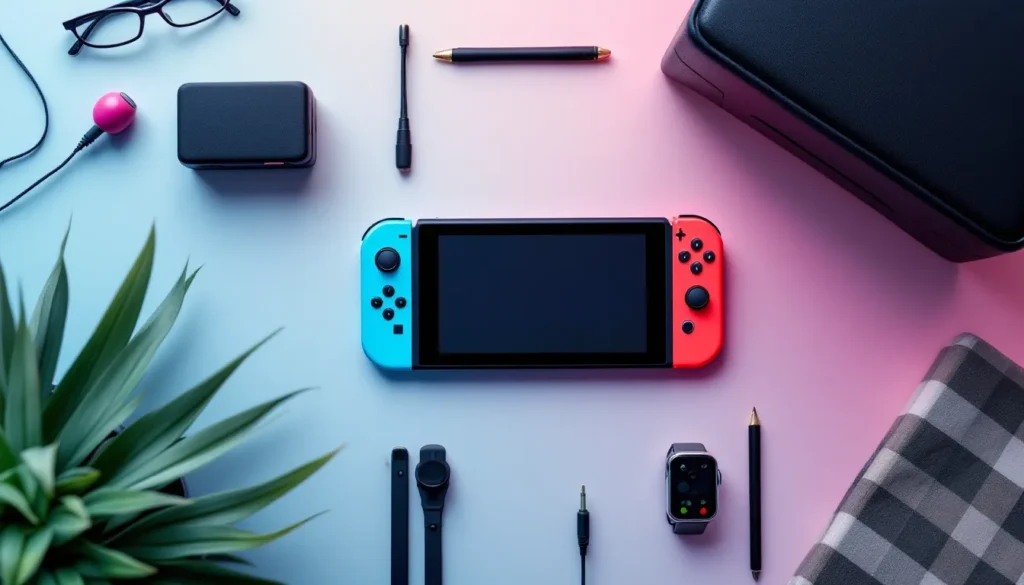
There’s nothing worse than sitting down for a gaming session only to find your Nintendo Switch completely dead. Whether it won’t power on, refuses to charge, or gets stuck in a boot loop, power issues are one of the most frustrating problems Switch owners face. The good news? Most of the time, your console isn’t actually broken. In fact, a solid 80% of Nintendo Switch power issues can be resolved with some basic troubleshooting, no expensive repair bill needed. This guide walks you through the exact steps to diagnose why your Switch isn’t turning on or charging, from the simplest fixes to advanced recovery options. By the end, you’ll either have your console working again or know exactly when it’s time to call in the professionals.
Key Takeaways
- 80% of Nintendo Switch power issues can be resolved with basic troubleshooting, including cleaning the charging port, testing alternative chargers, and performing a forced restart.
- A Nintendo Switch won’t turn on or charge due to three main issues: battery degradation, hardware connection failures (especially dirty USB-C ports), or software glitches, each requiring different solutions.
- Clean your Switch’s USB-C charging port with a soft toothpick and compressed air, verify you’re using the correct charger, and always plug directly into a wall outlet rather than power strips.
- If basic resets fail, try recovery mode by holding Volume Down and Power simultaneously for 10 seconds to fix corrupted system files without deleting your game saves.
- Preserve your Switch’s battery health by charging at 20%, avoiding overnight charging, using only certified chargers, and storing the console at 50% battery if unused for more than a month.
Why Your Nintendo Switch Isn’t Powering On
Before you start unplugging cables or panicking about hardware failure, it’s important to understand what’s actually going wrong. Nintendo Switch power problems fall into three broad categories: battery-related issues, hardware connection failures, and software glitches. Knowing which bucket your problem falls into will save you time and keep you from making things worse.
Battery Depletion and Draining Issues
Your Switch’s battery degrades over time, it’s just science. A brand-new Switch can hold a charge for 5.5 to 9 hours depending on the model, but after 500-1000 charge cycles, that capacity drops significantly. If your console is over three years old and won’t hold a charge, battery degradation is likely the culprit.
Battery drain also happens faster when certain conditions are met. Playing demanding games like The Legend of Zelda: Tears of the Kingdom or Doom Eternal in handheld mode burns through battery way faster than playing Stardew Valley or Picross. You might also be experiencing “phantom drain”, where your Switch loses charge even while docked or in sleep mode. This typically means the battery itself is failing and needs replacement.
One sneaky battery issue: if your console has been sitting idle for months without charging, the battery might have entered a deep sleep state. It looks completely dead, but it’s actually just waiting for a proper charge cycle to wake up. This happens more often than you’d think, especially with launch-model Switches that haven’t been touched since 2017.
Hardware and Connection Problems
Your Switch connects to power through a USB-C port at the bottom of the console. That port is tiny, delicate, and absolutely critical. If the charging cable doesn’t seat properly in that port, the system won’t charge, even if the charger itself is perfectly fine.
Common hardware culprits include: loose USB-C connections (the cable wiggles but doesn’t click in), debris clogged in the charging port (lint, dust, or corrosion), a bent or damaged charger cable, and a defective dock. Some players also report that their Switch only charges at certain angles, which screams loose USB-C port. That’s a hardware issue that usually requires professional repair or battery replacement with a port replacement.
It’s worth noting that the original Switch charger is proprietary, it’s designed specifically for Nintendo Switch and won’t work properly with standard USB-C fast chargers. If you’ve been using a random USB-C cable from your phone or laptop, that might be why things aren’t working.
Software Glitches and System Freezes
Sometimes your Switch powers on, but then immediately shuts down or gets stuck on the Nintendo logo. This is almost always a software issue, not a hardware failure. System updates, corrupted game data, or cache buildup can cause the console to fail during boot.
If your Switch is responding to power (like the LED lights up or the screen flashes briefly), then shuts down, software is likely the problem. The console is trying to boot but failing partway through. This is actually good news, it means your hardware is probably fine, and you can fix it without opening the console up.
Step-by-Step Charging Troubleshooting
Let’s start with the basics. Most power issues are charging issues, and most charging issues are simple to fix. Work through these steps in order.
Verify Your Charger and Cable
First, confirm you’re using the correct charger. The original Nintendo Switch charger outputs 5V/1.5A through USB-C. Third-party chargers can work, but they need to meet Nintendo’s specifications. If you’ve been using a random USB-C charger, that’s likely your problem.
Next, inspect your charging cable for physical damage. Look for:
- Bent or kinked sections
- Exposed wires or fraying
- Discoloration or burn marks
- A cable that doesn’t click firmly into the USB-C port
If the cable looks damaged, replace it. A third-party USB-C cable rated for Nintendo Switch (like Anker or PowerA) costs $15-25 and will do the job fine. If you’ve got another Switch or device that uses USB-C, test your Switch with that charger. If it charges, your original charger is the problem. If it still doesn’t charge, move to the next step.
Clean Charging Ports and Contacts
Dust and lint buildup in the USB-C port is one of the most common reasons a Switch won’t charge. You can’t see it from the outside, but it’s preventing the cable from making proper contact.
Here’s how to clean it safely:
- Power off your Switch completely and wait 2-3 minutes.
- Grab a wooden toothpick or soft brush (not metal, you don’t want to damage the pins).
- Gently insert the toothpick into the USB-C port and carefully wiggle it side to side to loosen debris. Don’t force it.
- Use a can of compressed air to blow out any loose particles. Short bursts only, don’t hold it down.
- Let it dry for 5 minutes before attempting to charge.
Also check the gold contacts inside your dock. If the dock’s metal contacts are dirty or corroded, the Switch won’t charge even when docked. Wipe them gently with a dry cotton swab.
Test Alternative Power Sources
Now that your ports are clean, try different power scenarios:
- Test with the dock: If you normally charge handheld, put the Switch in the dock instead. This uses different contacts and can help isolate the problem.
- Test direct wall outlet: Don’t use power strips, USB hubs, or extension cords. Plug the charger directly into a wall outlet. Power strips can reduce voltage and prevent charging.
- Borrow a charger: If you have a friend with a Switch, borrow their charger and test yours with it. This definitively tells you if your charger is dead.
- Let it sit: Sometimes a deeply drained battery needs 5-10 minutes of charging before the console responds. Leave it plugged in for a while before trying to power it on.
If your Switch charges with alternative chargers or power sources, you’ve found the problem. Replace whatever component isn’t working.
Force Restart Your Console
If your charging works but the console won’t boot, or if it’s stuck on the Nintendo logo, a forced restart is your next move. This clears temporary glitches without erasing your game saves.
Perform a Hard Reset
A standard hard reset on Nintendo Switch is simple but often gets overlooked:
- Press and hold the Power button (on top of the console, left side) for 12-15 seconds straight. Don’t let go early.
- The console will power down completely. You’ll see the screen go black and possibly hear a small click.
- Wait 5 seconds.
- Press the Power button once to turn it back on normally.
This forces the console to shut down and clear its cache, which fixes most boot-loop issues. The whole process takes less than a minute.
If you’re using a Switch Lite, the power button is on the top right. The process is identical.
What to Do When Basic Restarts Fail
If a standard hard restart doesn’t work, try a few variations:
The Long Hold: Hold the power button for 20 seconds instead of 12-15. Some consoles need the extra time to fully clear their volatile memory.
The Double Restart: After the first hard reset, wait 30 seconds, then do another one immediately. Occasionally, doing it twice clears stubborn software issues that one reset misses.
Check for update loops: If your Switch keeps restarting or gets stuck on the “Updating” screen, your system update might be corrupted. Let it sit for 10 minutes, genuinely corrupted updates sometimes complete on their own. If it’s still stuck after 10 minutes, you’ll need to move to recovery mode (covered in the next section).
At this point, if basic resets aren’t working, you’re likely dealing with a deeper software problem or a genuine hardware issue. Document what’s happening: Is the LED light on? Do you see anything on screen? Does it respond to any buttons? These details matter when you escalate to repair.
Advanced Solutions for Persistent Power Issues
If the basic troubleshooting hasn’t worked, it’s time to get more aggressive. These methods carry slightly more risk, but they solve 95% of remaining problems.
Battery Replacement and Hardware Repairs
If you’ve confirmed the charging port and cable are fine, and the console still won’t charge, the battery is likely failing. Replacing a Switch battery is possible as a DIY project, but it’s not trivial. The console uses a proprietary battery (part number HAC-003), and you need to disassemble the entire console to access it.
If you’re comfortable with electronics repair, a replacement battery costs $30-40 and you can find detailed teardown guides on places like Nintendo Life. But, if you’re not experienced with electronics, a professional replacement is safer. Official Nintendo repairs for battery replacement run $100-150 depending on your region and warranty status.
Other hardware issues, like a damaged USB-C port, a defective dock, or internal circuit board problems, typically require professional repair. These aren’t DIY-friendly unless you have serious electronics experience.
Recovery Mode and System Recovery
If your console boots partially (you see the Nintendo logo or hear sounds, but then it freezes or crashes), recovery mode can often fix corrupted system files. This is different from a factory reset and won’t delete your game saves.
Entering recovery mode:
- Make sure your console is powered off completely and connected to the charger.
- Hold down the Volume Down button (left side, near the bottom) and Power button simultaneously for about 10 seconds.
- Release both buttons. The console will boot into recovery mode, showing a menu on screen.
- Select Repair System from the menu that appears.
- The system will check for corrupted files and attempt to fix them automatically. This takes 5-15 minutes.
If recovery mode succeeds, your console will boot normally and your games will still be there. If recovery mode fails or isn’t available, you’re likely dealing with hardware failure that requires professional service.
One important note: recovery mode requires your console to have at least 20% battery. If it’s completely dead and won’t hold a charge, you can’t access recovery mode until you get professional help.
When to Seek Professional Repair
At a certain point, DIY troubleshooting stops making sense. Knowing when to throw in the towel saves you time and frustration.
Warranty Coverage and Repair Options
If your Switch is still under warranty, Nintendo repair is free. The original warranty covers one year from purchase date. Check your warranty status on the Nintendo support website, if you bought your console in 2025 or 2026, you’re covered.
For out-of-warranty consoles, Nintendo’s official repair service costs:
- Battery replacement: $100-150
- Charging port repair: $100-150
- General hardware repair: $150-200
- Screen replacement: $180-250
Turnaround time is typically 5-7 business days, though it can be longer during peak periods. You’ll need to mail your console or visit an authorized service center.
You can also buy refurbished Switch consoles directly from Nintendo for $200-250, which might be a better deal than repairing an older console if the repairs would exceed $150.
Authorized Service Centers vs. Third-Party Repairs
Authorized Nintendo service centers (GameStop, Best Buy, etc.) handle warranty repairs and basic fixes. They’re reliable and come with a repair guarantee, but they’re also the most expensive option.
Third-party repair shops like iFixit, Geek Squad, or local electronics repair places usually charge $50-100 less than Nintendo. But, quality varies wildly. Read reviews before committing.
There’s also the DIY route if you’re handy: YouTube teardowns exist for nearly every Switch repair, and parts are available through sites like ifixit.com or Amazon. If you break something, you’ve lost nothing but time and a $30 part. But if you’re not comfortable with electronics, professional repair is worth the extra cost.
According to recent tech industry coverage from The Verge, right-to-repair advocates have made headway pushing Nintendo to sell parts directly, though availability is still limited. Check what’s officially available before buying third-party components.
Prevention Tips to Avoid Future Power Problems
Once you’ve fixed your console (or gotten it repaired), the goal is to never be in this situation again. Simple habits prevent 90% of power issues.
Proper Charging Habits and Storage Practices
Your Switch’s battery degrades faster with improper charging. Here’s how to keep it healthy:
During regular use:
- Charge when the battery reaches 20%, not when it hits 0%. Completely draining a lithium battery damages it over time.
- Don’t leave your Switch charging overnight. Unplug it once it hits 100%. Trickle charging (keeping a full battery plugged in) slowly degrades capacity.
- Use the original charger or a certified third-party USB-C charger. No random cables.
- Keep your charging port clean. Every month, use a toothpick to gently remove debris from the USB-C port.
During storage:
- If storing your Switch for more than a month, charge it to 50% and then leave it unplugged. This is the optimal battery state for long-term storage.
- Don’t store it in hot environments (like a car in summer). High heat permanently damages lithium batteries.
- Keep it in a dry place. Humidity can corrode the charging contacts and internal circuitry.
Maintaining Your Console’s Health Long-Term
Beyond battery care, a few other habits keep your console running:
Keep it cool: The Switch can operate in temperatures from 50-95°F, but it performs best below 85°F. Avoid direct sunlight and keep it away from heat sources like radiators or vents. If you’re playing demanding games, take breaks every hour to let the console cool down.
Manage storage space: If your internal storage is full or nearly full, the system struggles during boot and updates. Keep at least 10% of your storage free. You can expand storage with a microSD card if you’re running low.
Update regularly: Yes, updates are annoying, but they patch bugs and security vulnerabilities that can cause power issues. Don’t skip them. But, if an update causes problems, don’t panic, the recovery mode trick mentioned earlier can fix corrupted updates.
Handle with care: The Switch is portable but not indestructible. Dropping it onto concrete regularly will eventually damage the USB-C port or internal components. Use a protective case, especially if you travel with it.
One more thing: if you’ve already had power issues once, consider upgrading to a newer model if you play regularly. The OLED model (released 2021) and the newer standard model have improved battery longevity and slightly more robust charging circuits compared to launch-model Switches. If you’re deciding between repair and replacement, compare the cost, affordable Switch deals are available through various retailers if you’re interested in upgrading.
Conclusion
A Nintendo Switch that won’t turn on or charge feels like a catastrophe, but the reality is far less dramatic. Most of the time, it’s a dirty charging port, a dead charger, or a simple software glitch that takes 15 minutes to fix. Follow the troubleshooting steps in order, clean your ports, test alternative chargers, force restart, and use recovery mode if needed, and there’s an excellent chance you’ll have your console working before lunch.
If nothing works, professional repair is affordable and reliable. Your console isn’t permanently broken: it just needs professional care. And going forward, simple charging habits and regular maintenance will keep your Switch from landing back on this troubleshooting list.
The bottom line: before you assume your Switch is dead, work through this guide. The fix you’re looking for is probably simpler than you think. And if your pro controller is giving you trouble alongside the console, tackling controller repairs first might help isolate whether your issues are hardware-wide or isolated to the console itself. Either way, you’ve got this.